
Walking noise is the streaky, rain-like pattern that appears in stacked astrophotos when the sensor’s fixed-pattern noise drifts with the target. Here is what causes it, how dithering prevents it, and how to rescue affected data.
Read More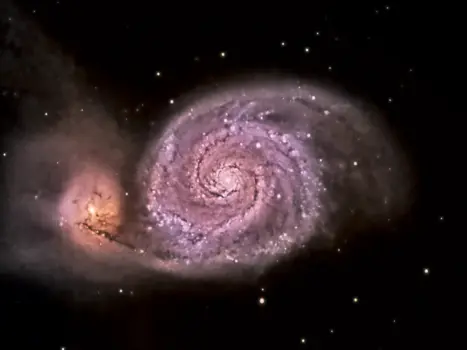
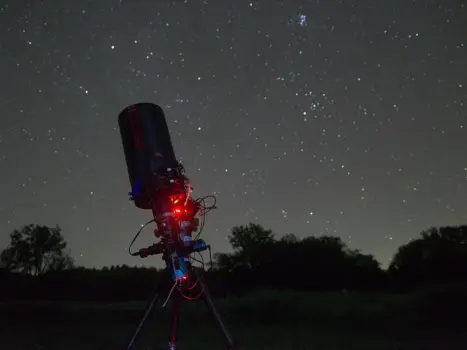
Refractor vs Reflector vs SCT: Best Telescope Type for Astrophotography
Refractors, Newtonian reflectors and Schmidt-Cassegrains all take great astrophotos, but they suit different targets, mounts and levels of fuss. Here is how to choose.
Read More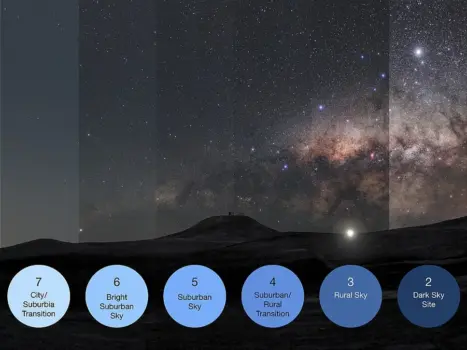
Bortle Scale Astrophotography: What Your Sky Class Means and How to Image from Light-Polluted Midwest Skies
The Bortle scale rates night-sky darkness from class 1 to 9. Here is what each class means for astrophotography, how to measure your sky, and how to get good images from bright suburban skies.
Read More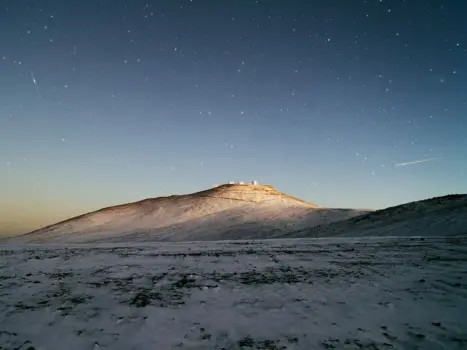
Cold Weather Astrophotography: Batteries, Frost, Condensation and Keeping Gear Running Below Freezing
Winter brings long, dark, transparent nights, and cold that drains batteries, frosts optics and stiffens mounts. Here is how to keep a rig and its operator running well below freezing.
Read More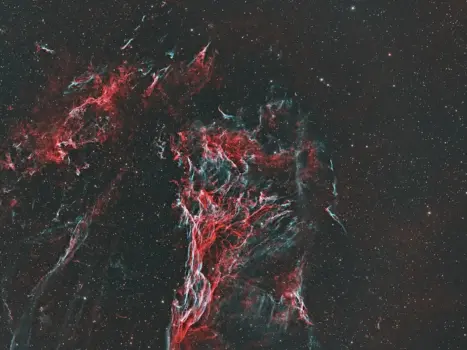
Narrowband Astrophotography: Ha, OIII and SII Filters, SHO and HOO Palettes Explained
Narrowband filters isolate the light that emission nebulae actually emit, which lets you image from light-polluted skies and even under a bright Moon. Here is how Ha, OIII and SII work, how to split your time, and how SHO and HOO palettes are built.
Read More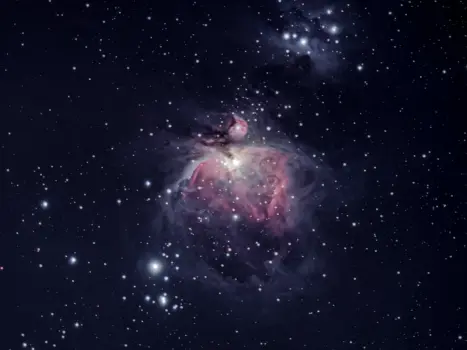
N.I.N.A. vs SharpCap vs ASIAIR: Which Astrophotography Capture Software Should You Use?
N.I.N.A., SharpCap and ASIAIR all run an imaging session, but they suit very different rigs. Here is how they compare on cost, hardware support, automation, guiding and planetary capture, and how to choose.
Read More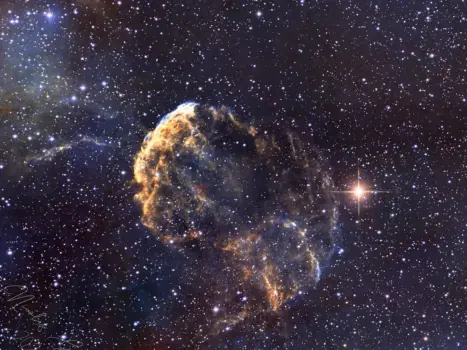
Astrophotography Calibration Frames Explained: Darks, Flats, Bias and Dark Flats
Darks, flats, bias and dark flats each remove a different unwanted signal. Here is what each one fixes, how to capture them so they actually match your lights, and how to apply them in Siril.
Read More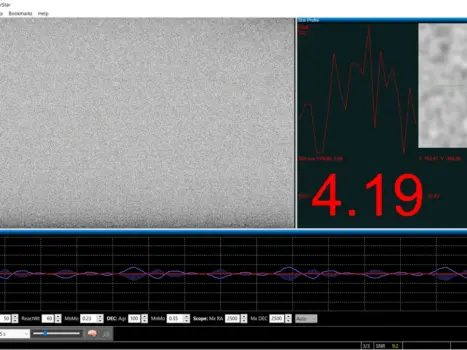
PHD2 Guiding Tutorial: Setup, Calibration and Reading the Graph
A practical, step-by-step PHD2 setup: the profile wizard, dark library, calibration, the Guiding Assistant, and how to read the graph and RMS numbers so you know when guiding is good enough.
Read More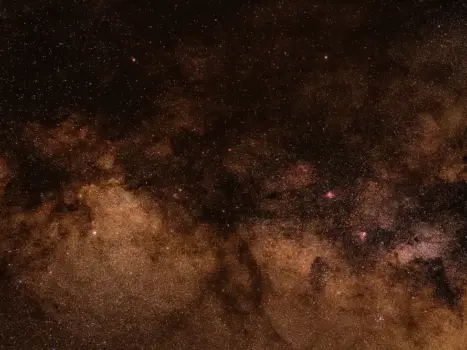
Star Tracker vs Equatorial Mount: When to Upgrade for Astrophotography
A star tracker is the best first mount for a camera and lens; an equatorial mount is what you need once focal length, payload and guiding take over. Here is how to tell which one you need and when to make the jump.
Read More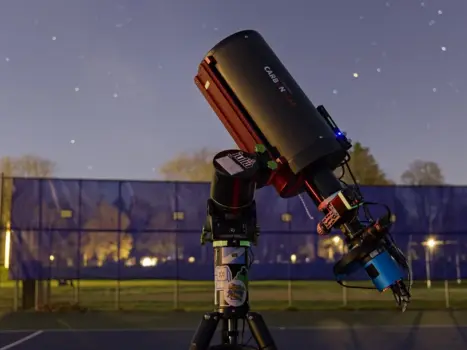
Elongated Stars in Astrophotography: How to Diagnose and Fix Tracking, Tilt, Spacing and Flexure
Egg-shaped stars have a handful of causes, and the pattern across the frame tells you which one. Here is how to read it and fix tracking, flexure, tilt and spacing problems.
Read More